Simple Steps That Help You Get Flat, Clean Walls With Fewer Flaws
If you want smooth walls, the key is careful drywall finishing from start to finish. That means using the right tools, applying thin coats of compound, sanding lightly, and giving each layer time to dry. Small steps make a big difference. When done right, your surface will look flat, clean, and ready for paint.
What You Need Before Starting Drywall Finishing
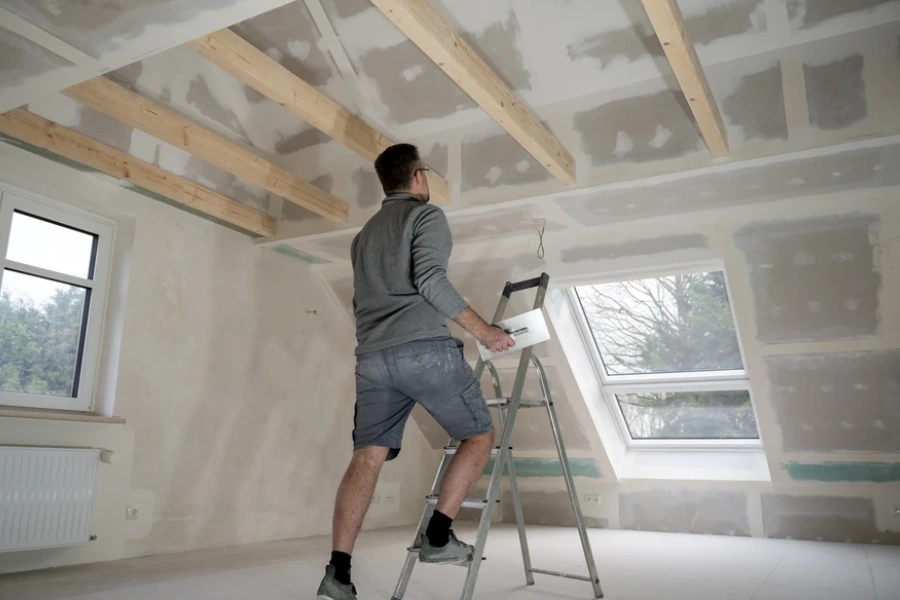
Before you begin, gather all tools and materials. Having everything close by saves time and keeps your work neat.
- Joint compound (all-purpose or topping)
- Drywall knives in 6-inch, 10-inch, and 12-inch sizes
- Hawk or mud pan
- Drywall tape (paper or mesh)
- Sanding sponge or fine-grit sandpaper
- Sanding pole for high areas
- Work light to spot flaws
- Drop cloths and painter’s plastic
Make sure the room is clean and free from dust. Good airflow helps the compound dry evenly. Dry conditions are best for smooth drywall finishing results.
Step-by-Step Process for a Smooth and Even Surface
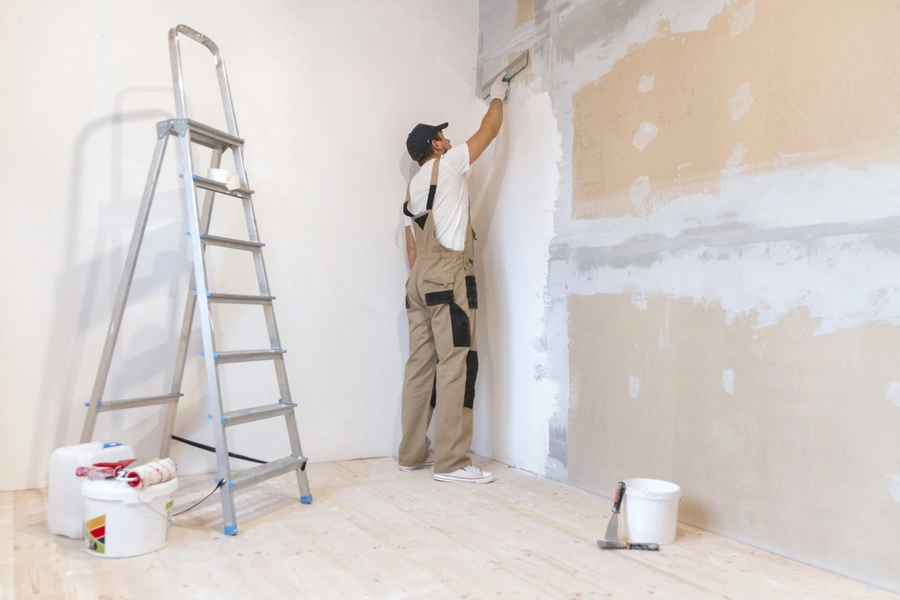
Follow these basic steps to get better results.
- Check that all screws are slightly below the surface and panels are secure.
- Apply drywall tape over all seams using a thin layer of joint compound underneath.
- Spread a light coat over seams and screw heads with a 6-inch knife.
- Let the first coat dry fully before sanding lightly.
- Apply a wider second coat using a 10-inch knife, feathering the edges.
- Sand again once dry, keeping pressure light.
- Add a final thin coat with a 12-inch knife for a smooth blend.
- After it dries, sand gently and wipe dust away before priming.
Work in thin layers. Thick coats take longer to dry and often crack. Hold your knife at a slight angle to smooth the compound as you go. Use a bright light against the wall to find dips or ridges.
Common Mistakes to Avoid
Many problems in drywall finishing come from rushing or using too much compound.
- Applying heavy coats that sag or bubble
- Skipping sanding between coats
- Not feathering edges wide enough
- Sanding too hard and scuffing the paper
- Painting before the surface is fully dry
It also helps to keep your tools clean. Dry bits of compound stuck to your knife can leave lines across the wall. Wipe tools often for a cleaner finish.
When to Call a Professional
Some drywall finishing jobs are simple, like patching a small hole. Others are more complex. Large rooms, high ceilings, or heavy texture removal take skill and patience.
If you see wide seams, uneven framing, or water-damaged panels, a pro may be the better choice. Pros can handle detailed service category keyword projects like full remodels, room additions, and large repair work. They also have better tools for sanding and dust control.
Hiring help can save time and reduce stress, especially if you plan to paint with glossy or bright colors. These paints highlight every flaw, so the surface must be extra smooth.
Final Thoughts and Local Help
Good drywall finishing takes time, steady hands, and the right steps. If you want smooth, even walls in Oakland, CA, our team is ready to help. At Velasquez Drywall and Painting, we handle repairs, remodels, and full finishing work with care and attention to detail. Call us at (510) 241-2301 to schedule a visit or ask questions about your next project.